The price of a stainless steel elevator door depends on material grade, finish, and door size. Standard commercial doors start around $1,500, while PVD-coated or luxury finishes can reach $8,000. Customizations like engraving, large dimensions, or integrated glass panels increase costs. Choosing the right supplier and finish balances durability, aesthetics, and long-term value for residential or commercial projects.
1. Factors Affecting Stainless Steel Elevator Door Prices
The cost of a stainless steel elevator door is influenced by multiple factors that go beyond simple material choice. Understanding these elements helps building owners, architects, and contractors make informed decisions while balancing aesthetics, durability, and budget. High-traffic office buildings, luxury hotels, and commercial complexes often face different pricing considerations depending on door specifications and installation requirements.
1.1 Material Grade and Alloy Type
The grade of stainless steel directly impacts both the durability and price of an elevator door. Common grades include 304 and 316, with 316 offering superior corrosion resistance, especially in humid or coastal environments. For instance, a luxury hotel lobby with mirror-polished stainless steel elevator doors often opts for 316 grade to maintain shine over time.
Alloy composition also affects cost: higher nickel or molybdenum content increases price but ensures resistance to staining and chemical exposure. Buildings in regions with high humidity or exposure to air pollutants benefit from investing in premium alloys, as this reduces long-term maintenance and replacement costs.
1.2 Surface Finish and Coating Options
The surface finish not only defines the visual appeal but also affects price. Popular finishes include:
-
Brushed: Subtle texture that hides fingerprints, suitable for high-traffic areas.
-
Mirror Polished: High-reflectivity surface ideal for luxury interiors.
-
PVD-Coated: Offers color options and enhanced scratch resistance.
| Finish Type | Durability | Price Impact | Ideal Application |
|---|---|---|---|
| Brushed | High | Moderate | Offices, Commercial Spaces |
| Mirror Polished | Medium | High | Luxury Hotels, High-End Residences |
| PVD-Coated | Very High | Premium | Designer Projects, Custom Interiors |
Selecting the right finish balances aesthetics with long-term maintenance. Brushed finishes reduce visible wear in busy lobbies, while mirror-polished surfaces are eye-catching but demand frequent cleaning.
1.3 Door Size, Thickness, and Customization
Door dimensions and customization play a significant role in pricing. Standard doors are generally more affordable, while oversized or uniquely shaped doors drive up costs due to material usage and fabrication complexity.
Key considerations:
-
Height and Width: Taller or wider doors require more steel and precise engineering.
-
Panel Thickness: Thicker panels increase structural strength and security but add to cost.
-
Custom Features: Etched patterns, logos, or integrated glass panels increase labor and material expenses.
For example, a corporate skyscraper may install stainless steel elevator entrances with custom brushed finishes to match lobby interiors, while ensuring doors can handle high traffic without warping.
1.4 Hardware and Mechanism Quality
The choice of rollers, tracks, and opening mechanisms impacts both the price and operational reliability. Premium hydraulic or geared systems improve smoothness and reduce wear over time, which can prevent costly repairs in high-traffic settings.
-
High-quality rollers and tracks minimize vibration and noise.
-
Advanced locking mechanisms enhance security and longevity.
-
Automated sensor systems, often integrated in commercial or luxury projects, add a modest upfront cost but reduce long-term maintenance.
Investing in reliable hardware upfront is usually more cost-effective than frequent repairs or replacements, especially in buildings with continuous daily use.
2. Price Ranges for Different Configurations
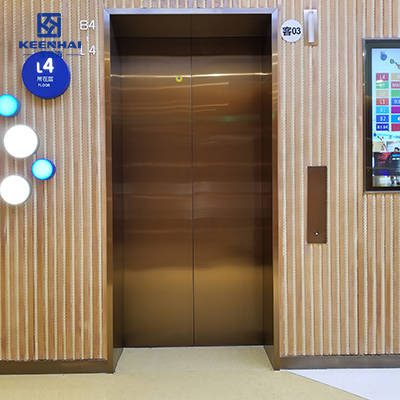
Stainless steel elevator doors vary widely in price depending on the configuration, finish, and customization level. Accurately understanding these ranges helps building managers, architects, and contractors plan budgets while ensuring durability and aesthetics are not compromised.
2.1 Standard Commercial Doors
Standard commercial stainless steel elevator doors are designed for efficiency, durability, and moderate aesthetics. They typically feature 304 stainless steel, brushed or satin finishes, and basic rolling mechanisms.
-
Average Size: 2100mm × 900mm
-
Panel Thickness: 1.2–1.5mm
-
Price Range (2025): $1,500 – $3,500 per set
These doors are widely used in office buildings, hospitals, and mid-range residential complexes. Their popularity stems from a balance of cost-effectiveness and durability. High-traffic office environments benefit from these doors because the materials resist denting and require minimal maintenance.
2.2 High-End or Luxury PVD-Coated Doors
High-end doors feature PVD-coated surfaces, mirror finishes, or other premium treatments that enhance aesthetics and scratch resistance. These doors are often installed in luxury hotels, corporate headquarters, and designer residential projects.
-
Price Range (2025): $4,500 – $8,000 per set
-
Panel Thickness: 1.5–2.0mm
-
Special Features: Color customization, anti-fingerprint coating, advanced rolling mechanism
Installing PVD-coated doors involves 3 key steps:
-
Verify surface alignment and dimensions.
-
Carefully mount the PVD panels to prevent scratches.
-
Adjust rollers and sensors to ensure smooth, quiet operation.
For projects requiring premium aesthetics, high-end finishes maintain their appearance longer, reducing repainting or polishing costs.
2.3 Custom or Large-Scale Doors
Custom or oversized doors can significantly increase the price due to higher material usage, fabrication complexity, and specialized installation. Typical scenarios include skyscraper lobbies, shopping malls, and conference centers.
| Door Type | Size Range (mm) | Thickness (mm) | Price Range (2025) | Notes |
|---|---|---|---|---|
| Oversized Standard | 2500 × 1200 | 1.5–2.0 | $5,000 – $9,000 | Standard brushed or mirror finish |
| Fully Customized | 3000 × 1500+ | 2.0+ | $9,000 – $15,000 | Etched patterns, logos, or integrated glass panels |
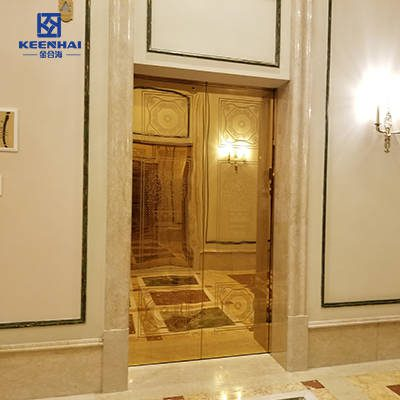
| Luxury Integrated Glass | 2500 × 1200 | 1.8–2.0 | $7,000 – $12,000 | Combines stainless steel elevator doors with glass entrance doors for premium visual effect |
Key Considerations:
-
Large-scale doors require reinforced frames and stronger mechanisms.
-
Transportation and installation logistics must be planned carefully to avoid damage.
-
Custom finishes often need specialized tools and experienced technicians for proper alignment.
Even though upfront costs are higher, custom or luxury doors often reduce long-term maintenance expenses due to higher-quality materials and advanced hardware.
3. Installation Costs and Considerations
Proper installation is critical for ensuring the long-term performance and safety of stainless steel elevator doors. Installation costs vary widely depending on labor rates, complexity, and necessary tools. Understanding these factors helps building managers and contractors avoid unexpected expenses while maintaining optimal functionality.
3.1 Labor and Professional Installation Rates
Labor represents a significant portion of total installation costs. Rates depend on location, skill level, and the type of elevator door being installed.
-
Standard Stainless Steel Doors: $250 – $600 per door set, depending on regional labor costs.
-
High-End or Custom Doors: $500 – $1,200 per door set, often requiring specialists familiar with stainless steel elevator doors and integrated mechanisms.
Using certified installers ensures proper alignment, reduces the risk of early wear, and maintains warranty coverage. Buildings with high traffic, such as hotels or office towers, benefit from experienced teams who can complete installations efficiently without compromising precision.
3.2 Complexity Factors Influencing Installation Costs
Several factors increase installation complexity, directly impacting cost:
-
Door Size and Weight: Oversized or heavier doors require additional support brackets and more labor.
-
Customization and Finish: Mirror-polished or PVD-coated surfaces demand careful handling to prevent scratches during installation.
-
Integration with Glass Panels: Doors combined with glass entrance doors require precise alignment and additional steps to secure both materials.
-
Pre-Existing Elevator Shafts: Retrofitting in older shafts may require reinforcement, increasing labor and time.
Each complexity factor can add 15–30% to standard installation rates, making early planning and accurate measurements crucial.
3.3 Tools, Equipment, and Pre-Installation Preparation
Successful installation relies on proper tools, equipment, and preparation. Missing any of these can lead to delays or damage:
-
Measurement Tools: Laser levels and calipers ensure exact alignment.
-
Lifting Equipment: Heavy doors often require hoists or forklifts to prevent strain and potential panel damage.
-
Hardware Kits: Quality rollers, tracks, and fasteners must be prepared in advance.
-
Surface Protection Materials: Soft pads, protective films, or masking tape prevent scratches on stainless steel elevator doors and integrated glass panels.
Pre-installation preparation typically reduces installation time by 20–30% and protects expensive finishes. Skilled installers always plan the workflow step by step, ensuring smooth, precise door operation after installation.
4. Maintenance and Long-Term Cost Implications
Understanding maintenance and long-term costs is essential when evaluating stainless steel elevator doors. These factors affect overall building expenses and help decision-makers compare stainless steel doors with other materials for cost-effectiveness and durability.
4.1 Routine Cleaning and Surface Care
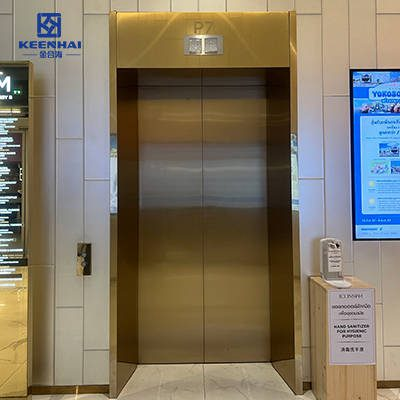
Stainless steel elevator doors require regular cleaning to maintain appearance and prevent corrosion, especially in high-traffic areas. For brushed or mirror finishes, cleaning frequency depends on usage:
-
Wipe down surfaces with a soft microfiber cloth at least twice a week.
-
Use mild, non-abrasive detergents to remove fingerprints, dust, and light stains.
-
Periodically apply a protective polish to enhance corrosion resistance and surface shine.
Luxury buildings often combine stainless steel elevator doors with glass panels. In those cases, the glass requires daily wiping with glass-safe cleaners to avoid streaks or buildup. Proper routine care ensures doors retain their premium look and reduces long-term repair needs.
4.2 Repair, Refurbishment, and Replacement Expenses
Even high-quality stainless steel doors can experience wear over time due to heavy use, impacts, or mechanical failure. Repair and refurbishment costs vary depending on the issue:
-
Minor Scratches or Dents: $100–$400 per panel, usually requiring buffing or localized polishing.
-
Mechanical Repairs: $300–$800 for rollers, tracks, or door sensors.
-
Full Replacement: $1,500–$15,000 depending on door type, finish, and size.
High-traffic locations, such as commercial office buildings or hotel lobbies, benefit from premium finishes that resist dents and corrosion, reducing frequency of repairs. Using robust materials and hardware initially can significantly lower long-term expenses compared to cheaper alternatives.
4.3 Cost Comparison with Alternative Door Materials
When comparing stainless steel doors to alternatives like aluminum, glass, or wood, there are clear trade-offs in durability and maintenance costs:
| Material Type | Average Lifespan | Routine Maintenance | Replacement Frequency | Notes |
|---|---|---|---|---|
| Stainless Steel | 20–30 years | Moderate | Low | Highly resistant to scratches, dents, and corrosion |
| Glass Doors | 15–20 years | High | Medium | Susceptible to scratches, requires frequent cleaning, fragile in impact |
| Aluminum Doors | 10–15 years | Moderate | Medium | Lightweight, prone to dents, limited premium finishes |
| Wood Doors | 8–12 years | High | High | Vulnerable to moisture, warping, and surface damage |
Choosing stainless steel over other materials may involve higher upfront costs, but the long-term reduction in maintenance, refurbishment, and replacement makes it cost-efficient for commercial and high-traffic applications. Integrating glass entrance doors selectively can balance aesthetics without drastically increasing ongoing expenses.
5. Regional and Market Price Variations
Stainless steel elevator door prices are not uniform across regions. Factors like local labor rates, material availability, supplier networks, and market demand can create significant differences in cost. Understanding these variations helps buyers budget accurately and identify the best deals.
5.1 Geographic Price Differences
Prices vary significantly depending on the location of purchase and installation:
-
North America: Stainless steel doors generally cost 10–20% more due to higher labor rates and stricter building codes.
-
Europe: Premium finishes like PVD coatings are popular, which can add $500–$1,000 per door.
-
Asia: Mass production and lower labor costs often reduce prices by 15–25%, but high-end customization can offset these savings.
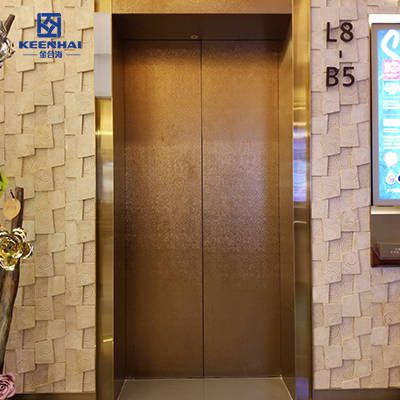
A mirror-polished stainless steel elevator door in a luxury hotel lobby in New York can cost $6,500–$8,000 installed, whereas the same door in Bangkok might range $4,000–$5,000. These differences reflect regional labor, logistics, and material costs.
5.2 Supplier, Brand, and Volume Discounts
Choosing the right supplier and brand significantly influences overall pricing:
-
Brand Reputation: Established brands may charge 15–30% more for proven reliability and certified finishes.
-
Volume Orders: Purchasing multiple doors at once often unlocks discounts of 5–20%.
-
Preferred Supplier Agreements: Long-term contracts can reduce unit cost through negotiated pricing and bundled services.
Some suppliers include minor installation services in bulk orders, which reduces total project expenses. Selecting a supplier familiar with stainless steel elevator doors ensures high-quality hardware and consistent finish.
5.3 Seasonal and Market Demand Effects
Market trends and seasonal factors also affect pricing:
-
Peak Construction Seasons: Costs can rise 10–15% due to higher demand for materials and labor.
-
Material Price Fluctuations: Stainless steel prices are sensitive to global metal markets; sudden increases in steel costs directly impact door pricing.
-
Special Promotions: Some manufacturers offer seasonal discounts, particularly in low-demand periods, allowing cost savings of up to 10%.
Integrating glass entrance doors selectively during high-demand periods may add upfront costs, but strategic ordering can balance overall project budgets. Monitoring seasonal trends and supplier offers ensures that building managers can optimize costs without sacrificing quality.
Stainless Steel Elevator Door